The Different Types of Water Filtration Systems (And Which One You Need)
Alright, Gold Coast, let’s have a real chat about your water. You’ve probably filled a glass from the tap and caught a faint whiff of chlorine. Maybe you’ve noticed a weird white film building up on your kettle, or your morning cuppa just tastes a bit… off. You’re not imagining it. While our tap water is technically safe to drink, what’s coming into your home isn’t always what you want to be consuming or bathing in.
Between the treatment chemicals, the old pipes in some suburbs, and the unique mineral content of our local supply, it’s no wonder so many of us are buying bottled water by the pallet-load. But there’s a better way—a smarter, more sustainable, and ultimately cheaper solution. It all comes down to choosing the right water filtration Gold Coast system for your home and your specific needs.
I’ve been in the game for over a decade, helping everyone from families in Mermaid Beach to retirees in Coomera find their perfect water solution. The most common question I get? “What’s the actual difference between all these systems?” It’s a fair dinkum question, and today, we’re going to break it all down, without the confusing sales jargon.
Key Takeaways:
- It’s Not One-Size-Fits-All: The best system depends on your water’s specific issues (taste, hardness, chemicals) and where you want to fix them (one tap or the whole house).
- Filtration vs. Softening: They do different jobs. Filtration removes contaminants; softening specifically tackles the minerals that cause scale.
- You Get What You Pay For: A cheap filter jug might improve taste a little, but a proper under-sink or whole-house system is a game-changer for water quality.
- Local Knowledge Matters: Gold Coast water has its own quirks. A good local provider knows exactly what you’re dealing with.
First Things First: What’s Actually In Your Gold Coast Water?
Before you buy anything, it helps to know what you’re fighting. Our water primarily comes from dams like Hinze and Little Nerang, and it’s treated to meet safety standards. This means it contains:
- Chlorine: Used to disinfect the water, but affects taste and smell.
- Calcium and Magnesium: These are the minerals that make our water “hard,” leading to limescale build-up on appliances, soap scum in showers, and dry skin.
- Sediment: Tiny particles of dirt, sand, or rust that can be stirred up from the pipes during maintenance or high demand.
A good water filtration Gold Coast strategy starts with identifying which of these is your biggest annoyance.
The Line-Up: Your Water Filtration Options Explained
Think of these systems as different tools for different jobs.
1. The Basic Starter: Filter Jugs & Faucet-Mounted Filters
- How they work: Water passes through a carbon filter cartridge, which reduces chlorine taste and odour and some sediments.
- The Good: Super cheap to buy, no installation needed.
- The Not-So-Good: The filtration is slow and basic. They don’t remove hardness (scale) or more specific contaminants. Cartridges need changing constantly.
- You need this if: You’re renting and want slightly better-tasting water for drinking, without any commitment.
2. The Kitchen Workhorse: Under-Sink Water Filters
- How they work: A compact unit is installed under your kitchen sink, piping filtered water to a separate dedicated tap. They typically use a multi-stage process (sediment filter + carbon block) for much better results.
- The Good: Excellent at removing chlorine, bad tastes, odours, and sediments specifically for your drinking and cooking water. Out of sight, doesn’t clutter your bench.
- The Not-So-Good: Only filters water at the one tap. Doesn’t address hard water for your showers or laundry.
- You need this if: Your main concern is the quality of the water you drink and cook with. It’s the most popular choice for a reason.
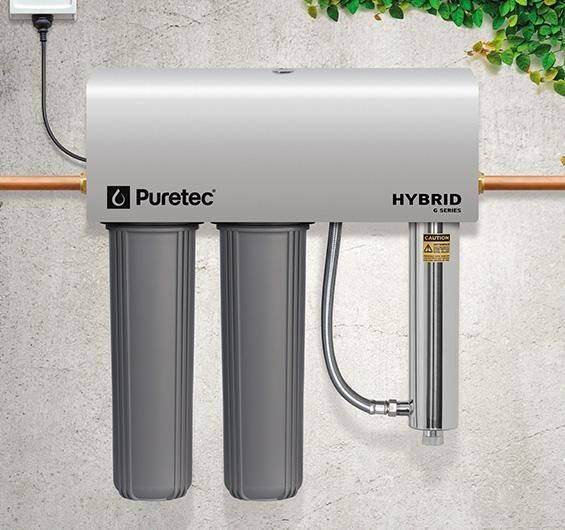
3. Whole house water filtration systems. The Ultimate Solution
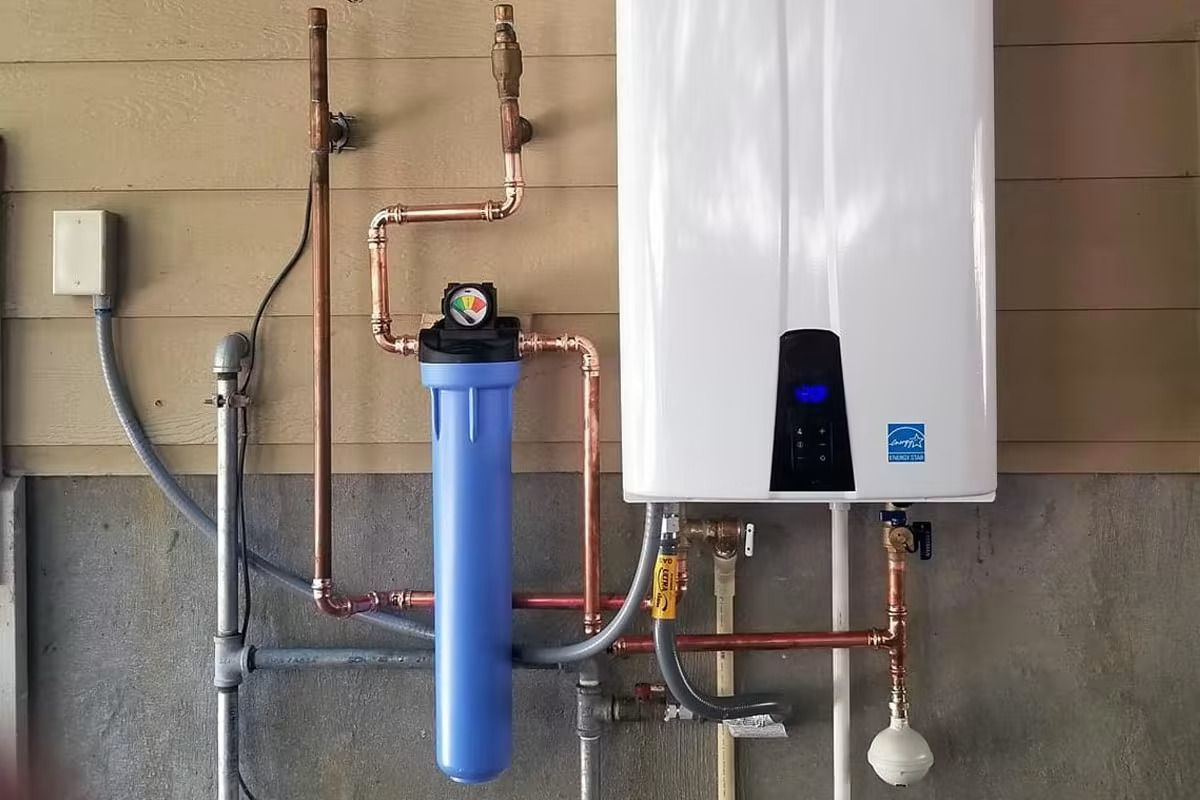
- How they work: You put in this main unit right where the water line hits your house. It filters every bit of water coming in. No drop gets past it.
- The Good: You get clean water out of every faucet and shower. Even your appliances pull from it. That means no more scale buildup messing with your pipes or that hot water heater. Washing machine stays happy too. Skin feels softer after showers and hair too. Clothes come out nicer from the wash. Pretty much everything improves.
- Not So Good: Costs a bunch upfront. And you can’t just do it yourself. Need a plumber to hook it up right.
- You need this: Get one if you’re all in on top notch water. Hate that limescale crap. Want to save your homes plumbing from trouble. Got the money for the full setup. It’s basically the best way to go for homes around Gold Coast. You know, the gold standard thing.
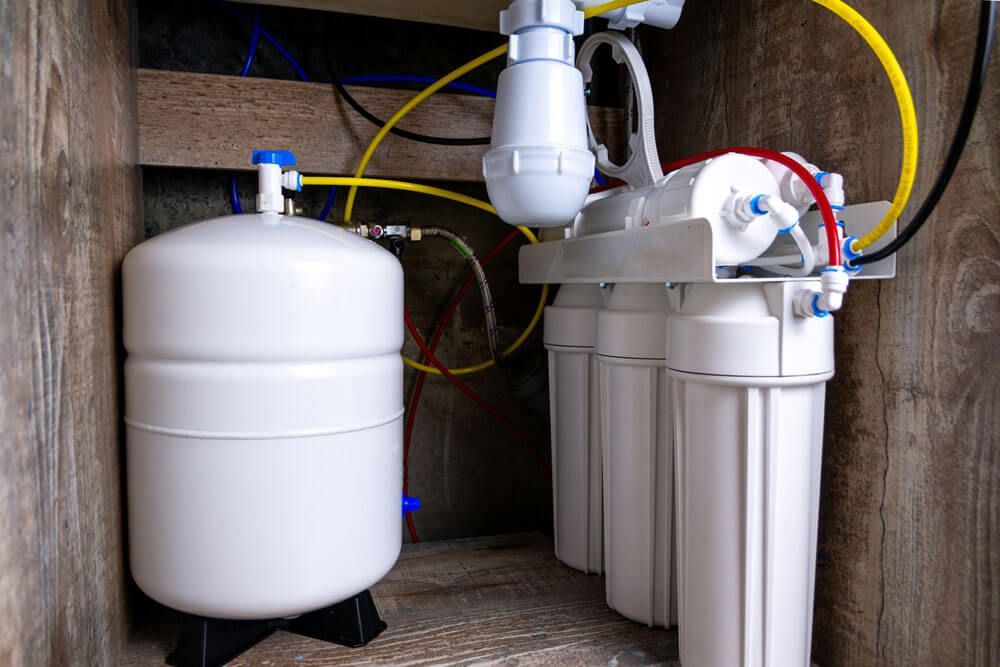
4. Reverse osmosis systems: The real specialists here
- How they work: These things are thorough. Use this tiny membrane that catches almost everything. Up to 99 percent of dissolved junk goes. Minerals, salts, heavy metals. All filtered out. They’re usually installed under the sink.
- The Good: Produces incredibly pure water, virtually free of any contaminants. The best option if water purity is your absolute top priority.
- The Not-So-Good: They produce wastewater in the process, can have a slower flow rate, and remove beneficial minerals along with the bad ones. They also require more maintenance.
- You need this if:
You are on tank water, have specific health concerns, or want the purest possible water for drinking and cooking.
5. The Scale Buster: Water Softeners
- Important Note: Softeners aren’t filters. They specifically target hardness minerals (calcium and magnesium) and swap them for sodium ions through a process called ion exchange.
- You need this if:
Limescale is your enemy. You’re tired of scrubbing scale off your shower screens, and you want to extend the life of your appliances.
So, Which One Do You Actually Need on the Gold Coast?
Here’s my local advice:
- For most households: Start with a quality under-sink system. It’s the best value upgrade that will dramatically improve the water you consume daily. It tackles the chlorine taste perfectly.
- If you’re building new or serious about home maintenance: Invest in a whole-house filter. It’s the ultimate luxury and a smart investment in your property, especially given our hard water. Pair it with an under-sink RO system if you want premium drinking water.
- For rentals or tight budgets: A good filter jug is a start, but a faucet-mounted filter is a better bang for your buck if your landlord allows it.
The best first step? Get a water test. Here at Vantage Plumbing, we offer them for free because we believe you should know exactly what’s in your water before we ever recommend a solution. We’ll come to your home, test your water, and give you straight answers. That way, we can recommend a water filtration Gold Coast system that actually targets your specific problems—no blind guesses, no upselling, just honest advice. In our experience, investing in the right water solution is one of those easy wins that genuinely improves your daily life, your health, and your home for years to come.
FAQS
Q: So, what’s this actually going to cost me?
A: It really depends on what you’re after. You can grab a filter jug from the shops for maybe fifty bucks. A proper under-sink system, installed by a pro, will set you back a few hundred. If you’re looking at a whole-house system to sort out every tap in the place, you’re investing a few grand. It sounds like a lot, but when you add up what you spend on bottled water, descaling your kettle every month, and potentially replacing a shot hot water system early from scale, it starts to make a lot of financial sense.
Q: My place runs on tank water. Do I still need to worry about filtration?
A: Honestly, you probably need to worry about it more. Tank water is a whole different story. You’re not just dealing with what comes from the council; you’re dealing with whatever washes off your roof and whatever finds its way into the tank. A good filtration setup isn’t just a nice-to-have there—it’s essential for making sure your water is truly safe to drink. We’d usually recommend a system that includes something like UV light to zap any nasties.
Q: How often am I going to have to mess around with replacing filters?
A: It’s not as bad as you might think. For a standard under-sink filter, you’re looking at swapping the cartridge out maybe once a year. For a bigger whole-house system, the pre-filter might need a change every 6-12 months, and the main unit every few years. The key is to not just set and forget. Your installer will give you a heads-up, and it’s a quick job. Let it go too long, and the filter gets clogged and stops working properly.
Q: I’ve heard water softeners make your water taste salty. True?

A: It’s a common worry, but nah, not really. The process uses a tiny amount of sodium, but it’s such a small amount that most people can’t taste it at all. If you’re on a super strict, doctor-ordered no-sodium diet, it’s something to chat with them about. For everyone else, it’s a non-issue. The taste you get is actually just pure, clean water without any nasty mineral aftertaste.