How Gold Coast Weather Impacts Your Plumbing and Drainage Systems
You know why we love the Gold Coast, right?
That beachside vibe, the beautiful warm weather, those arvo storms that finally cool things down… absolute paradise. But here’s the kicker: while you’re chilling out, your plumbing and drainage systems are fighting a daily battle with our weather.
That perfect climate? It’s secretly rough on your plumbing. Think:
→ Rust eating away at your pipes
→ Drains clogging up when you least expect it
→ Your backyard turning into a swamp after one heavy shower
Here’s the straight talk: Ignoring what our weather does to your pipes is like ignoring a weird rattle in your ute – put it off, and it’ll bite ya later.
Let’s break down exactly how the Gold Coast’s weather messes with your plumbing and drainage – and what you can actually do about it.
The Big Worries:
- Heavy Rain = Drain Drama: Big downpours flood gutters and stormwater pits, backing everything up.
- Humidity’s a Sneaky Wrecker: All that sticky moisture rots seals and rusts fittings.
- Salt Air Chews Through Metal: Pipes and taps near the coast rust way faster.
- Soil Won’t Stay Put: Dry earth shrinks, wet earth swells – cracking underground pipes.
- Tree Roots Go Feral: Wet weather makes roots invade drains like seagulls on hot chips.
Why Gold Coast Weather Plays Dirty with Your Pipes
1. Monsoonal Rain & Flash Flooding
When the heavens open over Burleigh or Broadbeach, your property gets bombarded. Gutters choke on debris, stormwater drains hit capacity, and low-lying areas pool fast. If your drains aren’t cleared before storm season, you’ll get:
- Sewer backups (that rotten-egg smell in your bathroom)
- Overflowing gutters dumping water near your home’s foundations
- Saturated soil shifting underground pipes out of alignment
The Fix: Install leaf guards, clear gutters quarterly, and ensure stormwater pits are debris-free. If you’re in a flood-prone spot (like parts of Robina or Nerang), consider a backflow valve.
2. Relentless Humidity: Dampness That Destroys
That sticky, 80% humidity isn’t just uncomfortable – it’s a plumbing and drainage saboteur. Moisture lingers in cupboards under sinks, around toilet bases, and behind washing machines, causing:
- Rubber seals and washers to perish (hello, dripping taps!)
- Metal fittings to corrode (especially cheap brass or chrome)
- Mould growth in poorly ventilated wet areas
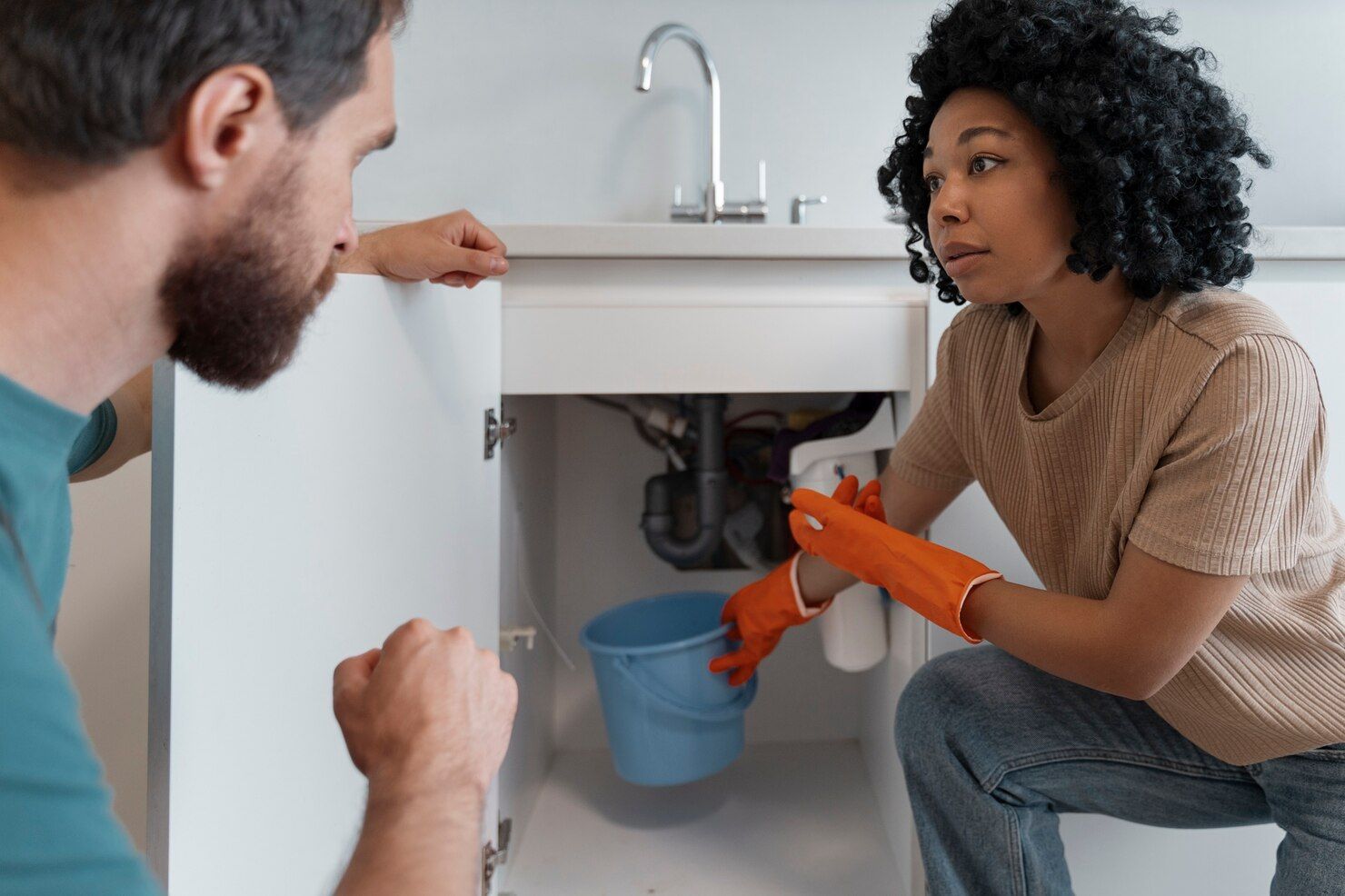
The Fix: Use exhaust fans religiously, check under-sink cabinets for dampness, and opt for corrosion-resistant fittings (like stainless steel or DZR brass).
3. Salt Air: The Coastal Corroder
Living near the surf is dreamy – until salty sea spray settles on your external pipes. This is brutal for homes within 5km of the coast (think Surfers Paradise to Coolangatta):
- Accelerated rust on hot water systems and pipe brackets
- Degraded plastic fittings becoming brittle
- Staining and pitting on exposed copper pipes
The Fix: Rinse external plumbing with fresh water monthly, choose marine-grade fittings for outdoor taps, and shield tanks/pumps with covers.
4. Soil Movement: The Ground Beneath Your Pipes is Shifting
Gold Coast soils are dynamic. Prolonged dry spells cause clay soils to shrink. Then, a tropical downpour makes the ground swell. This shrink-swell cycle:
- Cracks underground pipes (especially older clay or PVC)
- Disconnects joints in sewer lines
- Wrecks your drainage gradients so water flows toward your home, not away
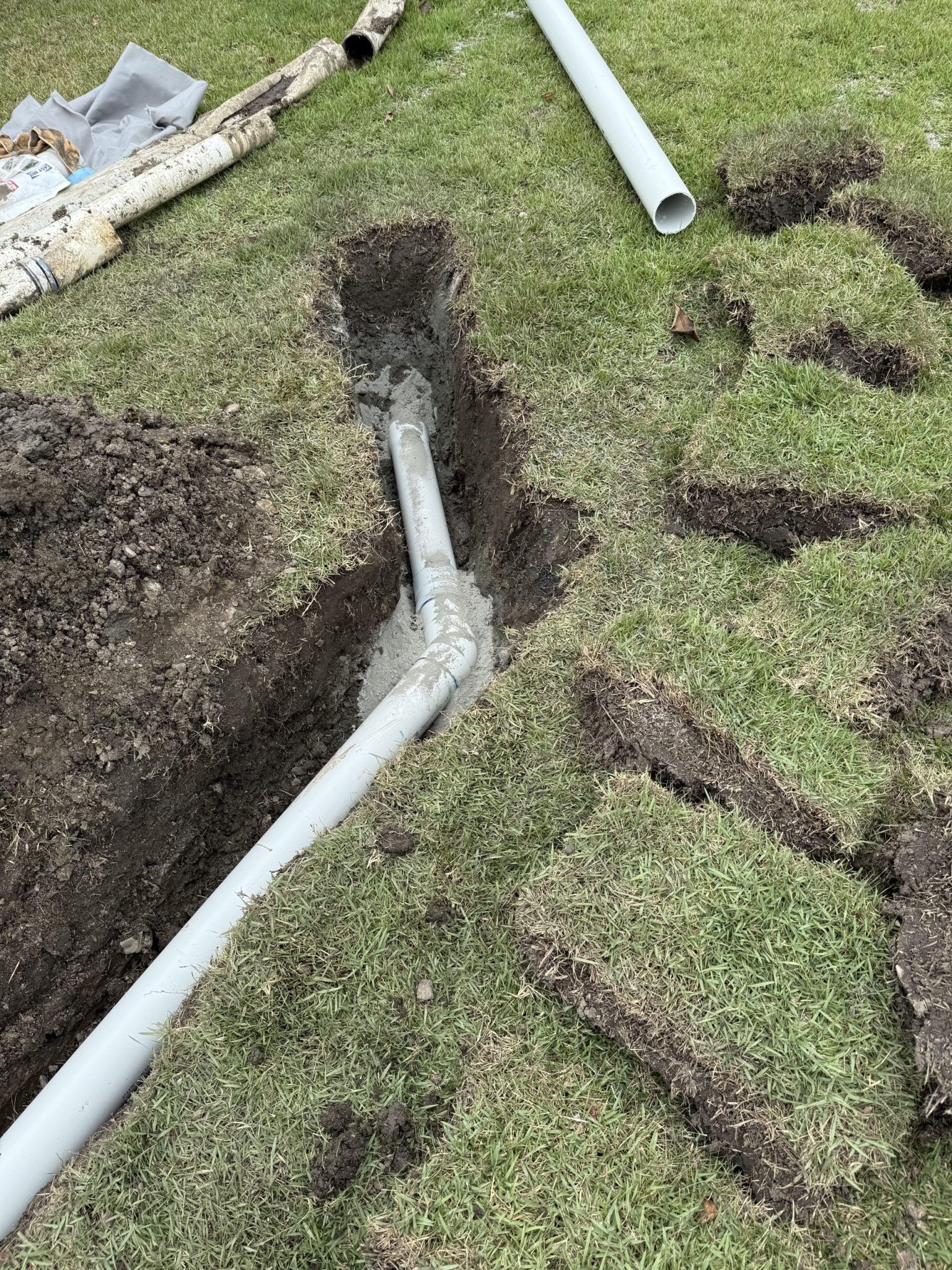
The Fix: Install flexible PVC piping in problem areas, maintain consistent soil moisture with soaker hoses in garden beds, and avoid planting large trees near drains.
5. Tree Roots: Nature’s Drain Invaders
Our wet summers are like a red bull for fig trees, gums, and palms. Roots seek moisture aggressively, homing in on:
- Hairline cracks in sewer pipes
- Drain junctions (where roots sneak in)
- Stormwater pits near gardens
Once inside, they form dense “root balls” that trap grease, toilet paper, and debris – guaranteeing blockages.
The Fix: Get drains camera-inspected annually, replace old earthenware pipes with root-resistant PVC, and plant water-hungry species away from drainage lines.
Your Gold Coast Plumbing and Drainage Survival Guide
Prevention Beats Panic Every Time:
Before Storm Season (Oct–Mar):
- Book a professional gutter/drain clean.
- Test your hot water system’s sacrificial anode.
- Seal cracks in external pipe penetrations (where pipes enter walls).
During Dry Spells (Aug–Sept):
- Water garden beds near pipes to prevent soil shrinkage.
- Check for unexplained damp patches – a sign of underground leaks.
Year-Round Vigilance:
- Flush toilets slowly to detect gurgling (a drainage red flag!).
- Install strainers on all sink/tub drains to catch hair and grit.
Replace tap washers at the first sign of a drip.
When Disaster Strikes (Who to Call):
Don’t play hero during a plumbing and drainage emergency. If you spot:
- Sewage overflowing into your garden
- A sudden drop in water pressure
- Cracking sounds near underground pipes
Contact Vantage Plumbing and Drainage, your local pros with expertise in coastal conditions. We understand our soil types, council regulations, and salt-air quirks. Just give us a call we’re available 24/7 for fast, reliable service—no matter the job.
Wrapping it up
Gold Coast weather is glorious – but it’s also your plumbing’s arch-nemesis. By understanding how rain, humidity, salt, and soil conspire against your pipes, you can act before that backyard turns into a lagoon or your en suite smells like a stormwater drain. A stitch in time saves nine… and a pre-storm drain check saves $9,000 in water damage.
FAQs:
Q: How often should I check my gutters?
A: Every 3 months – especially after windy periods. Palm fronds and gum leaves are notorious for blockages. If you’re near bushland (like Tallai or Tallebudgera), make it monthly during fire season.
Q: Are “corrosion-resistant” pipes worth the extra cost?
A: Absolutely. Near the coast, standard fittings fail 2–3x faster. Spend more upfront on quality materials (like copper or PEX with stainless fittings) to avoid constant repairs.
Q: My drains gurgle after heavy rain. Is that serious?
A: Don’t ignore it! It likely means stormwater is backing up into your sewer line. Get a camera inspection ASAP – it could be roots, collapsed pipes, or a council main issue.
Q: Can I prevent tree root intrusion without removing my trees?
A: Try root barriers (physical membranes installed underground) or copper sulphate treatments (flushed yearly through drains). But for aggressive species (like figs), removal may be the only permanent fix.
Q: Why does my tap water taste salty sometimes?
A: If you’re in a beachside suburb, saltwater intrusion can occur during king tides or if mains pipes crack. Report it to your water provider immediately – it’s a health risk.